
STADS Physiotherapy
Osteoporosis
Strong muscles and good balance give your bones the support they need.
or call 040 – 311 1151 / 013 – 303 0361
No referral neededSeen within 48 hoursContracts with all health insurers
You’ve been told that your bones are less strong, perhaps after a fracture or a bone density scan. You’re probably wondering what you can and can’t do, and whether exercise is actually safe. On this page you’ll read what osteoporosis is, how to keep your bones as strong as possible and how STADS helps you with strength training and falls prevention.
What is osteoporosis?
Osteoporosis is also known as bone thinning. Your bones aren’t dead material, but living tissue that is constantly renewing itself. Old bone is broken down and new bone is made. Until about the age of thirty, more bone is built up than broken down. After that, the balance slowly tips and bone mass gradually decreases.
With osteoporosis, that decrease happens faster or goes further than normal. Your bones become less dense and their internal structure more brittle. As a result, they break more easily, sometimes from a minor fall or even from lifting or bending. Fractures mainly occur in the wrist, the hip and the vertebrae. A vertebra can also collapse gradually, without you remembering a clear moment.
Osteoporosis itself doesn’t hurt. Many people don’t notice anything until they break a bone. The diagnosis is usually made with a bone density measurement, known as a DEXA scan. Osteoporosis is common in older people and more common in women than in men, especially after the menopause.
What symptoms can you have?
- Often no symptoms, until a fracture occurs
- A fracture after a relatively minor fall, for example of the wrist or hip
- Sudden, severe back pain from a collapsed vertebra, sometimes without a clear cause
- Losing height
- A more stooped posture of the upper back
- Fear of falling or of moving, so you start doing less
What causes osteoporosis?
Losing bone mass is partly a normal part of getting older. In women, it speeds up after the menopause, because levels of the hormone oestrogen drop. That hormone helps protect the bone.
There are also risk factors that increase the chance of osteoporosis:
- Osteoporosis or a hip fracture in your parents
- Long-term use of certain medicines, such as prednisone
- A low body weight
- Smoking and drinking a lot of alcohol
- Little exercise and spending little time outdoors
- A lack of calcium or vitamin D
- Certain conditions, such as rheumatoid arthritis or bowel diseases
Bone responds to load. If your bones are loaded regularly, for example by walking, climbing stairs or strength training, they get a stimulus to stay strong. Moving little doesn’t give that stimulus. The same goes for your muscles and balance: if you move little, you become weaker and less steady. That increases the chance of a fall, and with osteoporosis a fall is the main cause of a fracture.
How long does it last?
Osteoporosis is a long-term condition. Bone density usually doesn’t recover fully. Still, you can do a lot to slow further loss and reduce the chance of a fracture. Your doctor can prescribe medicines that protect the bone, often together with calcium and vitamin D.
Exercise is also an important part. Your muscles and balance can get stronger at any age. If you’ve had a fracture, the recovery time depends on the location and severity. A vertebral fracture often causes pain for several weeks to months, which usually eases gradually. The aim is for you to keep moving as independently and confidently as possible.
When should you see a physiotherapist?
- You have osteoporosis and want to know which exercises are safe and useful
- You’re afraid of falling or of moving
- You’ve fallen recently or feel less steady
- You’re recovering from a fracture and want to get stronger again
- Your posture has changed and your back is bothering you
- You take prednisone long-term or have an increased risk and want to take preventive action
Can’t work it out on your own?
Our physiotherapists and occupational therapists are happy to help. In most cases you can come without a referral, in Eindhoven or Tilburg.
When should you see your GP straight away?
- You suddenly get severe back pain, especially if you have osteoporosis or are older
- You’ve fallen and have pain when standing or walking, or your leg is at an unusual angle
- You’ve lost height or your back is becoming noticeably more curved
- You’ve had a fracture after a minor fall and haven’t yet been checked for osteoporosis
How STADS helps with osteoporosis
We start with a conversation about your situation. Have you had fractures, have you ever fallen and what makes you nervous? We examine your strength, balance, posture and how you walk. That gives us a clear picture of what you can do and your risk of falling. Medical treatment is in the hands of your GP or specialist; we focus on movement and coordinate with them where needed.
We explain what osteoporosis is and why exercise is so important. Many people become more cautious than they need to be. We explain which movements are safe and what you should watch out for. Then we set goals together, such as doing your shopping with confidence or cycling again.
The core of the treatment is exercise therapy with strength training and balance exercises. Research shows that well-structured, supervised strength training is safe and can contribute to stronger muscles and bones. Balance training reduces the chance of falling. We build up the load gradually and pay attention to good technique. You also practise everyday movements, such as getting up from a chair, bending and lifting, so you can do them safely and with confidence. If you’ve had a vertebral fracture, we pay extra attention to your posture and strengthening your back muscles.
If you’ve fallen or are afraid of falling, our falls prevention programme is a good addition. For older people, geriatric physiotherapy may be suitable. If you want to keep training under supervision afterwards, you can do so with medical fitness.
What can you do yourself?
- Move every day and include weight-bearing activities, such as walking and climbing stairs.
- Train your muscle strength and balance a few times a week, ideally under supervision at first.
- Get enough calcium from your diet, such as dairy, and ask your GP whether you need extra vitamin D.
- Make your home safer: good lighting, no loose rugs and sturdy shoes.
- Lift with a straight back, close to your body, and avoid sudden forceful twisting movements with a bent back.
- Stop smoking and drink little alcohol.
Read also
Related complaints
Good to know
Frequently asked questions
Do I need a referral?
No. In most cases you can come to us for physiotherapy and occupational therapy without a referral. We start with a short screening to check whether you’re in the right place with us. Do you already have a diagnosis from your GP or specialist, or a referral? Feel free to bring it along. That helps us tailor the treatment well.
Is the treatment covered by my insurance?
That depends on your health insurance and your supplementary package. For some chronic conditions, a different arrangement applies under your basic insurance. For more information, see our page on reimbursements and rates, or check your policy with your insurer.
Isn’t strength training dangerous with osteoporosis?
Well-structured, supervised strength training is safe for most people with osteoporosis, and actually very useful. Your muscles get stronger, your balance improves and your bones get a stimulus to stay strong. It’s important to build up gradually and pay attention to good technique. Your physiotherapist tailors the exercises to your situation and any previous fractures.
Which movements should I avoid?
That depends on your situation. With collapsed vertebrae or a high fracture risk, it’s often wise to limit heavy lifting with a bent back and fast, forceful twisting and bending movements of the trunk. That doesn’t mean you have to stop moving. Your physiotherapist teaches you how to carry out everyday tasks safely.
How can I reduce my chance of falling?
Train your strength and balance regularly, wear sturdy shoes and make your home safer, for example with good lighting and no loose rugs. Have your eyes and medicines checked from time to time, because some medicines can make you dizzy. If you’ve fallen before, our falls prevention programme can help you.
Our locations
Two practices, one team
In Eindhoven and Tilburg, physiotherapists and occupational therapists work together under one roof. Choose the practice that’s easiest for you.
Eindhoven

Centrally located on Geldropseweg, with spacious treatment rooms and a large exercise room. Easy to reach by bike, public transport and car.
Address
Geldropseweg 28
5611 SJ Eindhoven
Free parking behind the building
Tilburg
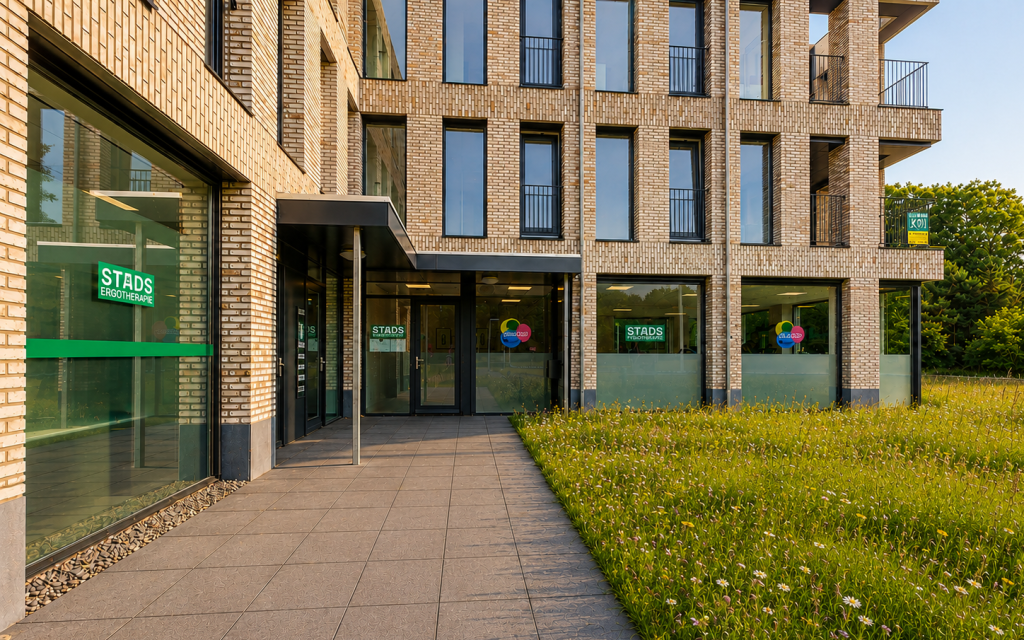
Right in the heart of the Reeshof, close to the A58 exit. Also easy to reach from the surrounding villages.
Address
Reeshofweg 40
5036 BK Tilburg
Mon to Fri, 08.00–18.00
Questions first?
Rather talk to someone first?
Not sure if we can help, or have a question about your treatment or reimbursement? Feel free to get in touch.
Call the practice
You’ll speak to one of us straight away. We’ll check the diary together there and then.
Leave your details
Fill in the contact form and we’ll get back to you as soon as possible.