

STADS Physiotherapy
Intermittent claudication
Walk further, step by step, with supervised walking training as the first choice.
or call 040 – 311 1151 / 013 – 303 0361
No referral neededSeen within 48 hoursContracts with all health insurers
You go for a walk and after a few hundred metres you get pain or cramp in your calf. You have to stop for a moment, the pain fades and you can carry on, until it starts again. On this page you’ll read what intermittent claudication is, why supervised walking training is the first choice and how STADS guides you through it.
What is intermittent claudication?
In Dutch, intermittent claudication is commonly called ‘etalagebenen’ (literally ‘shop-window legs’). It is a symptom of peripheral arterial disease: narrowing of the arteries in your legs. The Dutch name comes from people who stop regularly while walking, as if they are looking in shop windows, when in fact they are waiting for the pain to fade.
Your muscles need more oxygen when you walk than at rest. That oxygen is delivered through the arteries. If an artery is narrowed, not enough blood can get through during exertion. The muscles then get too little oxygen, and you feel this as pain, cramp or a tired, heavy feeling. When you stand still, the demand for oxygen drops and the pain goes away within a few minutes.
The pain is usually in the calf, but it can also be in your thigh or buttock, depending on where the narrowing is. The diagnosis is made by your GP (huisarts) or vascular surgeon, often with a simple blood pressure measurement at the ankles and arms.
What symptoms can you have?
- Pain, cramp or a tired feeling in your calf, thigh or buttock while walking
- Pain that goes away after standing still briefly and comes back when you walk on
- Being able to walk roughly the same distance each time before the pain starts
- More symptoms when walking uphill, climbing stairs or walking faster
- Cold feet or pale skin on the affected leg
- Small wounds on your foot or toes that heal slowly
Many people start walking less to avoid the pain. That’s understandable, but in the long run it often doesn’t make the symptoms any better.
What causes intermittent claudication?
The cause is almost always hardening of the arteries (atherosclerosis). Over the years, fatty deposits build up on the inside of the blood vessels. This makes the arteries narrower and less flexible. Intermittent claudication mainly affects people over fifty, and the risk increases with age.
Known risk factors are:
- Smoking, the most important risk factor
- Diabetes
- High blood pressure
- High cholesterol
- Too little exercise and being overweight
Because hardening of the arteries can occur throughout the body, people with intermittent claudication are also at higher risk of cardiovascular disease, such as a heart attack or stroke. That’s why your GP or vascular surgeon also checks your blood pressure, cholesterol and blood sugar, and often prescribes medicines, such as a blood thinner and a cholesterol-lowering drug.
The good news: by walking regularly, your body can adapt. Your muscles use oxygen more efficiently and the way you walk becomes more economical. This often means you can walk further before the pain starts. That’s also why walking training is so important.
How long does it last?
Intermittent claudication is a sign of a chronic condition. The narrowing in your artery doesn’t go away by itself. But the symptoms can reduce considerably. With supervised walking training, many people notice within a few months that they can walk further and more easily. How much progress you make varies from person to person.
The effect only lasts if you keep walking. So even after the supervised period, walking every day is important. Stopping smoking and treating risk factors properly help limit further deterioration of the blood vessels. Surgery or angioplasty (a ‘dotter’ procedure) is only needed for some people, for example if training doesn’t help enough or if symptoms are more severe. Your vascular surgeon will discuss this with you.
When should you see a physiotherapist?
- Your GP or vascular surgeon has diagnosed intermittent claudication
- You regularly have to stop while walking because of pain in your legs
- You’ve started walking less because you’re afraid of the pain
- You want to increase your walking distance and don’t know how to do so safely
- You’ve had angioplasty or surgery and want to rebuild your fitness
Can’t work it out on your own?
Our physiotherapists and occupational therapists are happy to help. In most cases you can come without a referral, in Eindhoven or Tilburg.
When should you see your GP straight away?
Contact your GP promptly if you also have pain in your leg or foot at rest, especially at night in bed, or if you have wounds on your foot or toes that don’t heal. Does your leg or foot suddenly become cold, pale, numb or very painful? Then call 112 or the out-of-hours GP service (huisartsenpost) straight away, because an artery may have suddenly become blocked.
How STADS helps with intermittent claudication
At STADS, we offer vascular walking training, also called supervised walking training. This is the first choice in treating intermittent claudication. We work closely with your GP or vascular surgeon, who makes the diagnosis and decides on the medical treatment. Walking training complements that.
We start with a conversation about your symptoms, your daily activities and your goals. Then we measure, often on a treadmill, how far you can walk before the pain starts and the furthest you can walk. We explain what is happening in your legs and why walking actually helps, despite the pain. Together we set goals, such as taking the dog for a walk again or walking to the shops without stopping.
During training, you walk under supervision until the pain is clearly felt, then rest briefly and walk on again. You repeat this several times. We build up the sessions gradually and agree how you will also walk on your own at home. We also pay attention to a healthy lifestyle and, if you smoke, to stopping smoking in consultation with your GP.
After the supervised period, you’ll want to keep moving. You can do this by carrying on walking or training independently, for example with medical fitness or in one of our exercise programmes.
What can you do yourself?
- Walk every day, preferably several times, and keep going until the pain is clear before you rest
- Stop smoking: it’s the most important thing you can do for your blood vessels
- Take your medicines as agreed and have your blood pressure, cholesterol and blood sugar checked
- Wear well-fitting, sturdy shoes and check your feet regularly for wounds
- Keep your feet warm and avoid tight socks
- Choose a healthy diet and aim for a healthy weight
Read also
Related complaints
Good to know
Frequently asked questions
Do I need a referral?
For physiotherapy, you can come without a referral in most cases. We then start with a short screening. For supervised walking training for intermittent claudication, however, you do need a referral from your GP or specialist if you want it covered by your basic insurance. It’s also important that the diagnosis has first been made by a doctor, so that other causes of leg pain have been ruled out.
Is it covered by my insurance?
Supervised walking training for intermittent claudication can be covered by your basic insurance under certain conditions. You need a referral from your GP or specialist, and there is a maximum number of treatments. Bear in mind that your deductible (eigen risico) applies. The exact conditions vary by situation and insurer. You’ll find more information under reimbursements and rates.
Isn’t it harmful to walk through the pain?
No, with intermittent claudication this is generally not harmful. The pain comes from a temporary lack of oxygen in the muscles and goes away when you stand still for a moment. In fact, by regularly walking until you feel that pain, your body adapts and you can often walk further. Do you have pain at rest, wounds or a cold, pale foot? Then contact your GP.
What is supervised walking training?
With supervised walking training, you walk under the guidance of a physiotherapist following a set schedule: walk until the pain is clearly there, rest briefly and carry on. The therapist tracks your progress, adjusts the training and helps you keep walking on your own at home too. Read more on our page about vascular walking training.
Can I do walking training after angioplasty or surgery?
Yes, that can be worthwhile. After a procedure, your fitness has often declined, and walking helps rebuild your walking distance and fitness. Staying active also remains important for the health of your blood vessels. We coordinate the start of training with your vascular surgeon or GP.
Our locations
Two practices, one team
In Eindhoven and Tilburg, physiotherapists and occupational therapists work together under one roof. Choose the practice that’s easiest for you.
Eindhoven

Centrally located on Geldropseweg, with spacious treatment rooms and a large exercise room. Easy to reach by bike, public transport and car.
Address
Geldropseweg 28
5611 SJ Eindhoven
Free parking behind the building
Tilburg
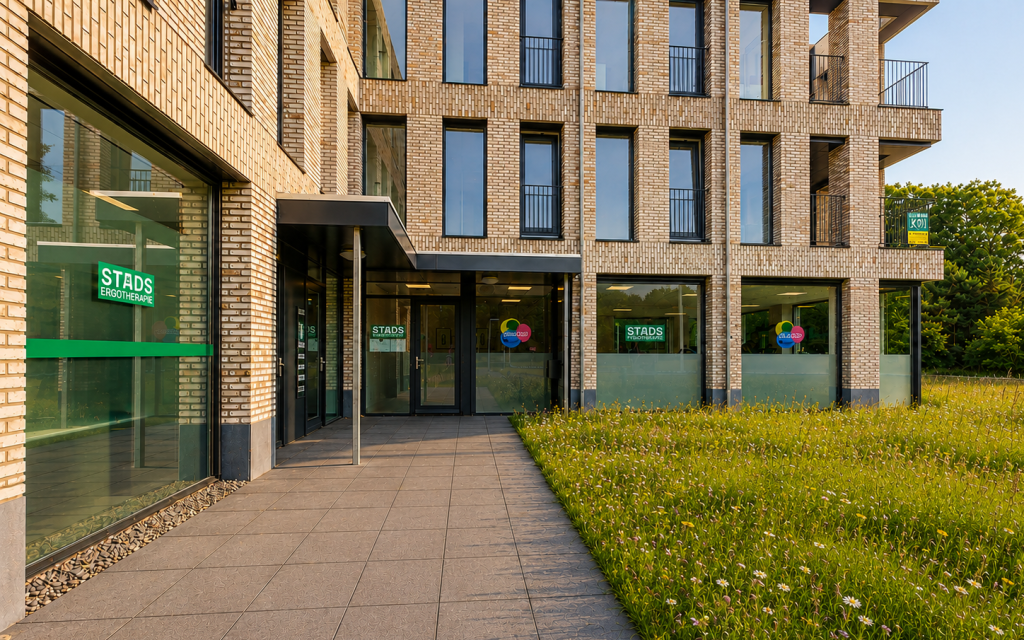
Right in the heart of the Reeshof, close to the A58 exit. Also easy to reach from the surrounding villages.
Address
Reeshofweg 40
5036 BK Tilburg
Mon to Fri, 08.00–18.00
Questions first?
Rather talk to someone first?
Not sure if we can help, or have a question about your treatment or reimbursement? Feel free to get in touch.
Call the practice
You’ll speak to one of us straight away. We’ll check the diary together there and then.
Leave your details
Fill in the contact form and we’ll get back to you as soon as possible.