

STADS Physiotherapy
Flat feet
A flat foot is often just a foot shape. We help when it does cause problems.
or call 040 – 311 1151 / 013 – 303 0361
No referral neededSeen within 48 hoursContracts with all health insurers
You have flat feet, or you notice that your child’s feet look flat, and you wonder whether that’s a problem. The good news: in most cases it isn’t. On this page you’ll read what flat feet are, when they can cause symptoms and when it makes sense to see a physiotherapist or paediatric physiotherapist.
What are flat feet?
With a flat foot, the arch on the inside of your foot is low or almost completely flat when you stand. The heel often tilts inwards a little as well. The arch is formed by the bones of your foot, held in place by ligaments, tendons and small foot muscles. It works like a kind of spring that absorbs shocks.
There are two types. With a flexible flat foot, the arch comes back when you stand on your toes or sit down. This is by far the most common type and is usually just a normal variation in foot shape. With a rigid flat foot, the foot stays flat even then. That’s much less common and needs a medical examination.
In young children, flat feet are completely normal. Babies and toddlers have a fat pad under the foot and flexible ligaments. The arch develops gradually during childhood. Many children keep a fairly flat foot until the age of about six, sometimes longer, without anything being wrong.
What symptoms can you have?
- Tired or painful feet after standing or walking for a long time
- Pain on the inside of the ankle or in the arch of the foot
- Pain or tiredness in the calves or lower legs
- In children: tiring quickly when walking or often wanting to be carried
- Uneven wear on shoes
Please note: many people with flat feet have no symptoms at all. A flat foot without pain or limitations doesn’t need treatment.
What causes flat feet?
A flexible flat foot is usually something you’re born with or inherit. It’s a foot shape, just as some people have long or short toes. People with very flexible joints (hypermobility) have flat feet more often. In children, age plays a big part, because the arch is still developing.
Later in life, a foot can become flatter. A well-known cause in adults is overload of the tibialis posterior tendon. This muscle runs along the inside of your lower leg and supports the arch. If that tendon becomes overloaded, the arch can gradually collapse. Being overweight, osteoarthritis or rheumatism in the foot, diabetes and a previous injury can also play a part.
Whether a flat foot causes symptoms depends mainly on the balance between load and load capacity. A flat foot can work perfectly well. Symptoms often only appear when your feet have to do more than they’re used to, for example because of a new job where you stand a lot, a quick increase in sport or weight gain. Strong foot and calf muscles increase your load capacity.
How long does it last?
A flexible flat foot is a foot shape, and in adults it usually doesn’t change any more. Nor does it need to: what matters is that your feet work without symptoms. Symptoms caused by overload often ease within a few weeks to months if you adjust the load and train your foot and calf muscles.
In children, the arch often develops by itself as they grow. In some children the foot stays a little flatter, and usually that’s not a problem. Insoles don’t permanently change the shape of the foot. In adults, an overloaded tendon on the inside of the ankle can take longer to recover, sometimes months.
When should you see a (paediatric) physiotherapist?
- Your feet, ankles or lower legs are often painful or tired
- You have pain on the inside of your ankle and feel that your foot is getting flatter
- Your child complains of painful feet or legs when moving and tires quickly
- Your child is noticeably clumsy, falls a lot or lags behind other children of the same age in movement
- You want to know which exercises and shoes make sense
Can’t work it out on your own?
Our physiotherapists and occupational therapists are happy to help. In most cases you can come without a referral, in Eindhoven or Tilburg.
When should you see your GP straight away?
Contact your GP, the child health clinic (consultatiebureau) or the youth doctor if:
- The flat foot is rigid and the arch doesn’t come back when your child stands on their toes
- Only one foot is affected, or the foot looks clearly different from the other
- Your child is in pain, limps or the foot keeps getting stiffer
- As an adult, you notice that one foot has become clearly flatter in a short time, with pain and swelling on the inside of the ankle
- There are changes in sensation or small wounds on the foot, especially if you have diabetes
How STADS helps with flat feet
At STADS, we don’t just look at the shape of your foot, but above all at your symptoms and what you want to be able to do. We start with a conversation and then examine your feet, ankles, knees and hips, and how you stand and walk. That way we can judge whether your flat foot has anything to do with your symptoms, and whether there’s reason to consult your GP.
Often, explanation is already an important part of the treatment. Many people are relieved to hear that a flat foot is usually a normal foot shape. Together we set goals, such as getting through a working day or playing sport without pain again.
If you have symptoms, we work with exercise therapy. You train the small foot muscles, your calf and the muscles around your hip, so your foot can handle the load better. We build up the load gradually and give advice on shoes. If support with insoles seems useful, we discuss it and refer you to a podiatrist if needed.
For children, we offer paediatric physiotherapy. A paediatric physiotherapist looks at the feet, but also at your child’s motor development as a whole. Often the main advice is simply: lots of moving, running, climbing and playing barefoot.
What can you do yourself?
- If you have no symptoms, you don’t need to do anything about your flat foot.
- Wear shoes that fit well, with a firm heel counter and enough room for your toes.
- Train your foot muscles, for example by standing on your toes or scrunching up a towel with your toes.
- Let children move a lot and, where it’s safe, walk and play barefoot.
- Build up new activities gradually, such as running or standing a lot at work.
- If you’re overweight, losing weight can reduce the load on your feet.
Read also
Related complaints
Good to know
Frequently asked questions
Do I need a referral?
No. In most cases you can come for physiotherapy and paediatric physiotherapy without a referral. At the first appointment, we start with a short screening to check whether physiotherapy is suitable. For children, we sometimes ask for information from the GP, youth doctor or specialist, so we have the full picture.
Is it covered by my insurance?
That depends on your health insurance and your supplementary package. For children under 18, paediatric physiotherapy is often (partly) covered by the basic insurance. For adults, physiotherapy usually depends on your supplementary insurance. Check your policy or read more on our page about reimbursements and rates.
Does my child need insoles?
Usually not. Children with a flexible flat foot and no symptoms don’t need insoles. Research shows they don’t speed up the development of the arch or permanently change the shape of the foot. If your child does have pain or limitations, insoles can sometimes help for a while. Have that assessed by a paediatric physiotherapist, podiatrist or doctor.
Do flat feet cause knee or back problems later on?
It’s not that simple. Many people with flat feet never get knee or back problems, and many people with those problems don’t have flat feet. Foot shape can play a role in how you move, but it’s rarely the only cause. That’s why we always look at the whole picture: strength, load and movement pattern.
Can you train flat feet away?
In adults, exercises usually don’t change the shape of a flexible flat foot. That’s not the aim either. Training can, however, make the muscles around your foot and ankle stronger, so your feet can handle the load better and symptoms often ease.
Our locations
Two practices, one team
In Eindhoven and Tilburg, physiotherapists and occupational therapists work together under one roof. Choose the practice that’s easiest for you.
Eindhoven

Centrally located on Geldropseweg, with spacious treatment rooms and a large exercise room. Easy to reach by bike, public transport and car.
Address
Geldropseweg 28
5611 SJ Eindhoven
Free parking behind the building
Tilburg
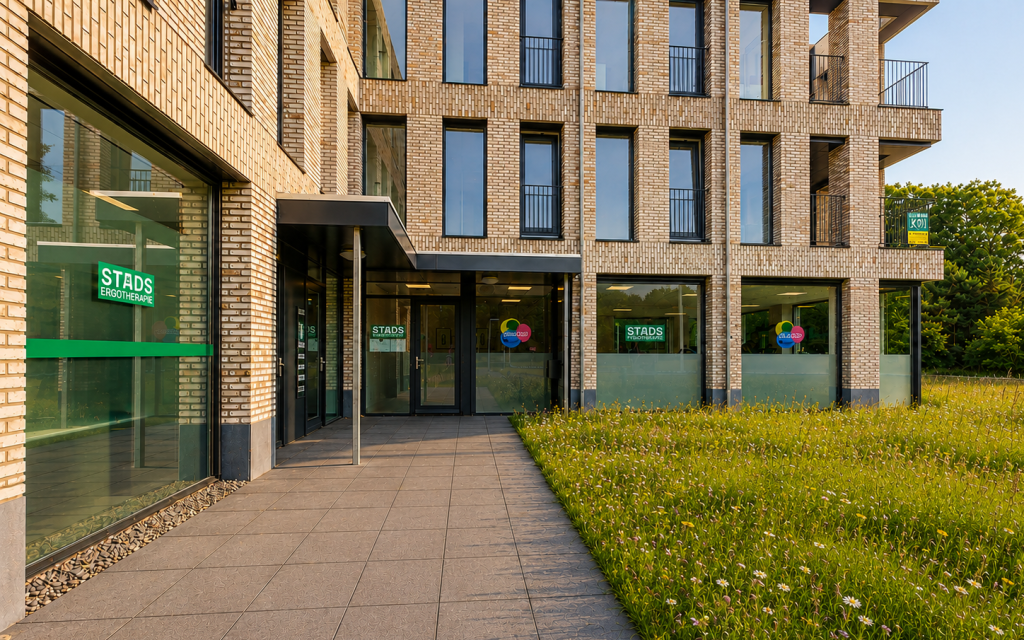
Right in the heart of the Reeshof, close to the A58 exit. Also easy to reach from the surrounding villages.
Address
Reeshofweg 40
5036 BK Tilburg
Mon to Fri, 08.00–18.00
Questions first?
Rather talk to someone first?
Not sure if we can help, or have a question about your treatment or reimbursement? Feel free to get in touch.
Call the practice
You’ll speak to one of us straight away. We’ll check the diary together there and then.
Leave your details
Fill in the contact form and we’ll get back to you as soon as possible.