
STADS Physiotherapy
Long Covid and post-COVID
 Build up muscle strength and fitness Bring your energy back into balance Become less forgetful and learn to concentrate better
or call 040 – 311 1151 / 013 – 303 0361
No referral neededSeen within 48 hoursContracts with all health insurers
You’re taken seriously
Many people with Long Covid have been through a series of tests that showed nothing, and have had to explain that they’re not making it up. They don’t have to have that conversation with us.
Stay in touch with your GP
Do you have a lot of symptoms in the first months after your COVID infection? Then it’s wise to stay in touch with your GP. Your GP can look with you at whether extra tests or care are needed, and can refer you to, for example, a physiotherapist or occupational therapist for recovery care. For mental health symptoms, your GP can also help by bringing in a psychologist or mental health practice nurse (praktijkondersteuner GGZ).
Build up your fitness and muscle strength slowly
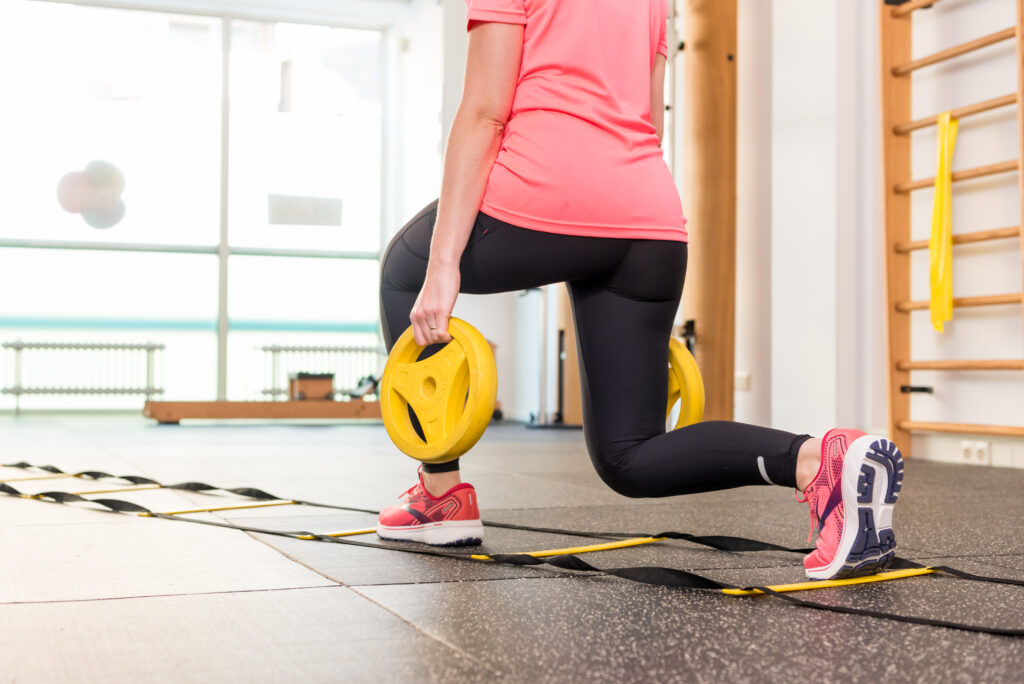
Is your fitness worse and do you have less muscle strength? The physiotherapist can help you build it back up in the right way. The physiotherapist first measures your fitness and muscle strength and then draws up a training plan. You also get advice and exercises, so you can get started at home.
Physiotherapy falls under the scheme paramedical recovery care (paramedische herstelzorg). Contact your health insurer about reimbursement and arranging this care.
 Get in touch to book an appointment straight away.
Bring your energy back into balance
It seems that Long Covid symptoms may be caused by a disrupted autonomic nervous system that affects your energy and balance. Read more about it in the flyer ‘What is going on in the body’ (in Dutch).
Do daily activities take a lot of effort? For example, you’re very tired, and you find it hard to balance your energy. The occupational therapist can help you find the right balance again. The occupational therapist can also help with concentration problems, and give you advice when you start working again.
Occupational therapy falls under the scheme paramedical recovery care (paramedische herstelzorg). Contact your health insurer about reimbursement and arranging this care.
Are you on the waiting list for an occupational therapist? Get started in the meantime with these self-help tips from Ergotherapie Nederland (the Dutch occupational therapy association) and with ‘Daily life in balance, occupational therapy after COVID’.
You can find more information and advice at PostCovid NL.
Get in touch to book an appointment straight away.
Forget less and concentrate better
Symptoms such as forgetfulness, irritability and concentration problems are common after COVID. We call these cognitive symptoms. It’s not yet clear why they develop.
An occupational therapist can help you map out these symptoms together, and make sure you can cope with them better. A low-stimulus environment can help, for example. It’s also important that your energy balance is as good as possible. By spreading activities well over the day, fatigue decreases and concentration often improves.
Want to know more about cognitive problems such as memory loss, concentration problems and sensory overload? Then watch the webinar 'Cognitive complaints after COVID' (in Dutch).
Get in touch to book an appointment straight away.
See a speech therapist for voice or breathing problems
Do you have voice problems such as a hoarse voice? Or do you breathe high in your chest or have trouble swallowing? A speech therapist can help you with that.
Watch the video about voice problems with COVID, and what you can do to improve your voice. This care falls under the scheme paramedical recovery care (paramedische herstelzorg). Contact your health insurer about reimbursement and arranging this care.
Pay attention to your diet
A healthy, balanced diet can contribute to a faster recovery. What a good diet is varies from person to person. Some people have been very ill with COVID and have lost a lot of weight. Their muscles have weakened. Extra protein in the diet is needed to regain strength. It’s also important that the diet contains enough energy and vitamins.
There are also people who have put on a lot of weight after their COVID infection. This is usually due to a less active lifestyle because of a lack of energy. The lockdown may also have played a part, and eating habits may have changed. A healthy weight contributes to recovery and health. Losing weight too quickly is unwise. It can lead to muscle breakdown and nutritional deficiencies. A dietitian can help you find a healthy balance again. To find a dietitian near you, see: nvdietist.nl
For tips on a healthy, balanced diet, see the website of the Voedingscentrum (Netherlands Nutrition Centre) and PostCovid NL.
Be cautious with extra vitamins and food supplements
If you eat a healthy, varied diet, you normally get enough vitamins and minerals. There’s no evidence that extra vitamins or food supplements help with recovery from COVID. Taking too much of certain vitamins (for example vitamin A and B6) can even be harmful. Do you have doubts or questions about using vitamins or minerals? Then discuss it with your GP, doctor or dietitian.
For tips on a healthy, balanced diet, see the website of the Voedingscentrum (Netherlands Nutrition Centre) and PostCovid NL.
Tackle psychological problems
As well as physical symptoms, you may also have mental health symptoms. Think of sadness, anxiety, stress and low mood. Talk about it with your GP, who can judge which help is best for you. Often the mental health practice nurse at your GP surgery can already help you.
Get your sense of smell and taste back
Many people have no or reduced sense of smell and taste. In most cases, smell and taste come back after a few months. You can do smell training to speed up recovery. You can do this at home with a scent kit and an app.
Want to know more about smell or taste problems after COVID? Then see the website of the patient association for people with a smell and/or taste disorder.