

STADS Physiotherapy
Hallux valgus (bunion)
With the right shoes and exercises, walking often becomes a lot more comfortable again.
or call 040 – 311 1151 / 013 – 303 0361
No referral neededSeen within 48 hoursContracts with all health insurers
Your big toe is becoming more and more crooked, and there’s a bump on the inside of your foot that can press and hurt in your shoes. This is called hallux valgus, more commonly known as a bunion. On this page you’ll read what it is, how it develops, what you can do yourself and what physiotherapy can and can’t do for you.
What is hallux valgus?
With hallux valgus, your big toe angles towards the other toes. At the same time, the metatarsal bone behind the big toe points inwards. This creates a protruding bump on the inside of your foot, at the level of the big toe joint. It isn’t new bone, but the head of the metatarsal bone pointing outwards.
A bursa can form over the bump: a small fluid-filled sac that can become irritated and swollen from the pressure of your shoe. At a later stage, the big toe can slide under or over the second toe. The smaller toes can also take more load, leading to calluses or pain under the forefoot.
Hallux valgus usually develops slowly, over years. How crooked the toe is doesn’t always say much about how much trouble you have. Some people have a marked deformity and few symptoms, while others already have pain with a slight angle.
What symptoms can you have?
- A visibly crooked big toe and a bump on the inside of your foot
- Pain, redness or swelling over the bump, especially in narrow shoes
- Difficulty finding shoes that fit well
- Stiffness or pain in the big toe joint when walking or pushing off
- Calluses or pain under the ball of your foot
- Overlapping toes or hammer toes
What causes hallux valgus?
Exactly how hallux valgus develops isn’t entirely clear. Heredity plays an important part: the condition often runs in families. Women are clearly affected more often than men, and the risk increases with age.
Factors that can contribute include:
- An inherited shape or position of the foot and the metatarsal bone
- A flat foot or a foot that rolls inwards a lot
- Supple, flexible joints (hypermobility)
- Rheumatism or other joint conditions
Narrow, pointed shoes and high heels are often mentioned. They’re probably not the only cause, but they can make the position worse and mainly cause more pressure and pain on the bump. People who never wear such shoes can also get hallux valgus.
Pain usually comes from the combination of the toe’s position and the load placed on it: pressure from shoes, a lot of standing or walking, and a different spread of weight across your forefoot. The good news is that you can often do something about that load.
How long does it last?
Hallux valgus is a permanent deformity. Without surgery the crooked position won’t go away, and it usually slowly gets worse. That doesn’t mean you’ll always be in pain. The symptoms can vary over time, and with good shoes and adjustments many people have little trouble.
An irritated bursa over the bump can settle within a few weeks once the pressure is gone. If, despite good measures, the symptoms keep limiting your daily life too much, surgery may be an option. You make that decision together with your GP and an orthopaedic surgeon. After surgery, recovery usually takes a few months.
When should you see a physiotherapist?
- You have pain or stiffness in your big toe when walking or doing sport
- Your walking pattern has changed because of pain in your forefoot
- You want to know which exercises and shoes can help
- You have knee, hip or back problems that may be linked to the way you walk
- After hallux valgus surgery, you want to work on walking normally and on strength
Can’t work it out on your own?
Our physiotherapists and occupational therapists are happy to help. In most cases you can come without a referral, in Eindhoven or Tilburg.
When should you see your GP straight away?
Contact your GP if:
- Your toe joint suddenly becomes red, hot and very painful; this may point to gout or an infection
- You have an open wound or ulcer on the bump, especially if you have diabetes
- Despite good shoes and adjustments, your pain seriously limits your daily life and you want to discuss whether surgery makes sense
How STADS helps with hallux valgus
We’ll be honest: physiotherapy can’t straighten your toe. What we can do is help reduce pain, help you walk better and keep your foot as strong and supple as possible. At STADS, we start with a conversation about your symptoms and what you want to be able to do. Then we examine your foot, your big toe, your ankle and the way you walk.
We explain what’s happening in your foot and where your pain is probably coming from. Together we set goals, such as enjoying walks again or being able to stand through a full working day. We also look at whether problems elsewhere, for example in your knee or hip, are linked to how your foot rolls through each step.
The treatment consists of advice and exercise therapy. You get practical tips on shoes and load. You do exercises for the small foot muscles, the mobility of your big toe and the strength of your calf and foot. Where suitable, hands-on mobilisation of the toe joint can be a useful addition. If we think adapted insoles or other aids would be useful, we’ll discuss it and refer you to a podiatrist if needed.
If you’ve had surgery, we guide you through rehabilitation: from rolling through your foot normally again to building strength and walking. We align this with your orthopaedic surgeon’s advice.
What can you do yourself?
- Choose shoes with a wide, deep toe box, a firm heel counter and little or no heel.
- Avoid shoes with seams or stitching right over the bump.
- A protective pad or ring over the bump can reduce pressure.
- Move your big toe regularly and train your foot muscles, for example by pulling a towel towards you with your toes.
- At home, walk barefoot or in socks now and then to make your foot muscles work, as long as it’s pain-free.
- If you have pain, you can stand or walk for shorter periods for a while and then build it up again gradually.
Read also
Related complaints
Good to know
Frequently asked questions
Do I need a referral?
No. In most cases you can come for physiotherapy without a referral from your GP. At your first appointment, we start with a short screening. We check whether physiotherapy suits your complaint, or whether it would be wise to see your GP first. If you do have a referral, feel free to bring it along.
Is physiotherapy covered by my insurance?
That depends on your health insurance and your supplementary package. Many supplementary insurance policies cover a number of treatments per year. For some chronic conditions, a different arrangement applies under your basic insurance. Check your policy or read more on our page about reimbursements and rates.
Can hallux valgus straighten without surgery?
No, surgery is the only way to really change the position of the toe. Splints, toe straighteners and exercises can’t permanently straighten the toe. They can, however, help reduce pain and keep your foot supple and strong. With good shoes and exercises, many people have few symptoms and don’t need surgery.
Do I need surgery?
Surgery only makes sense if, despite good shoes and other measures, you still have too much pain or are limited in your daily life. Surgery purely for the shape of your foot is usually not recommended, as it always carries risks. Discuss it with your GP, who can refer you to an orthopaedic surgeon if needed.
What’s the difference between a physiotherapist and a podiatrist for hallux valgus?
A podiatrist (podotherapeut) specialises in feet and can, for example, make custom insoles or toe pieces to reduce pressure. A physiotherapist focuses mainly on movement, strength and walking pattern, and guides rehabilitation after surgery. They often complement each other well. We’ll refer you if that makes sense.
Our locations
Two practices, one team
In Eindhoven and Tilburg, physiotherapists and occupational therapists work together under one roof. Choose the practice that’s easiest for you.
Eindhoven

Centrally located on Geldropseweg, with spacious treatment rooms and a large exercise room. Easy to reach by bike, public transport and car.
Address
Geldropseweg 28
5611 SJ Eindhoven
Free parking behind the building
Tilburg
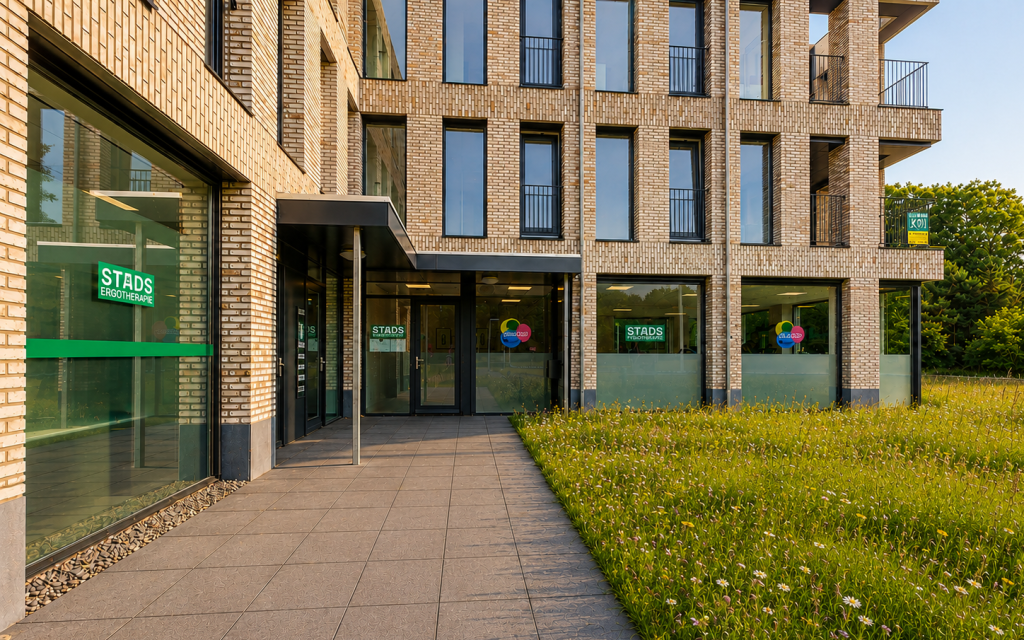
Right in the heart of the Reeshof, close to the A58 exit. Also easy to reach from the surrounding villages.
Address
Reeshofweg 40
5036 BK Tilburg
Mon to Fri, 08.00–18.00
Questions first?
Rather talk to someone first?
Not sure if we can help, or have a question about your treatment or reimbursement? Feel free to get in touch.
Call the practice
You’ll speak to one of us straight away. We’ll check the diary together there and then.
Leave your details
Fill in the contact form and we’ll get back to you as soon as possible.